
A 2021 report by the World Health Organization (WHO), featured in the IMD Annual Review of Prequalified Products, identified medical refrigerators and freezers as some of the most essential and widely used devices in global healthcare cold chains. One of the most commonly deployed models is the Vestfrost VLS 064 RF AC, a PQS-certified refrigerator/freezer combo (E003/070). Under WHO test conditions at +43°C, this unit consumes approximately 230 kWh per year..
Why This Matters for Vaccine Safety
Temperature-sensitive vaccines must be stored consistently between +2°C and +8°C. Without stable refrigeration:
- Vaccine potency is compromised
- Entire stockpiles risk being wasted
- Les campagnes de santé publique risquent de s’effondrer
The Solar-Powered Solution
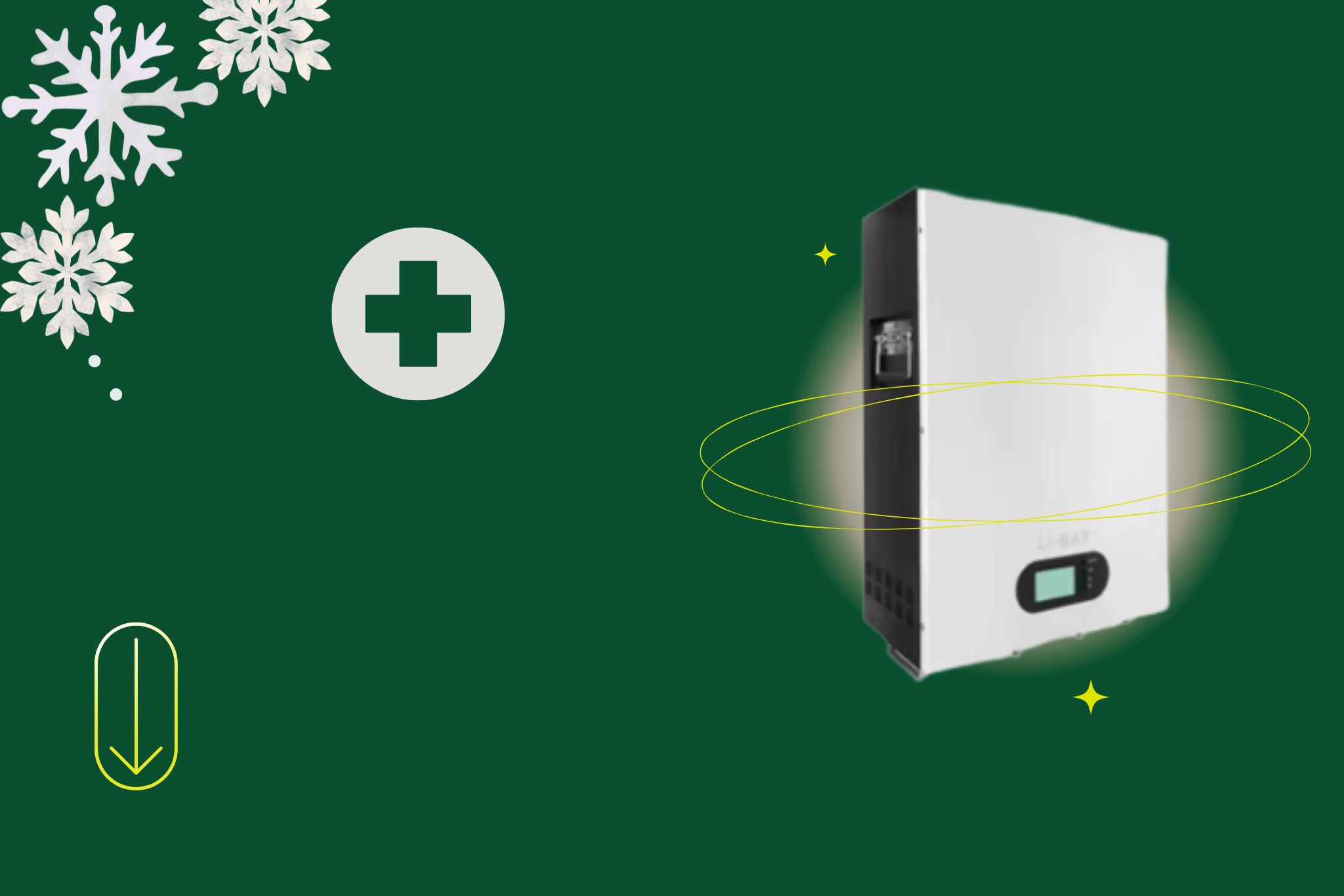
At BSE GREEN, we have developed solar-powered cold chain systems using high-capacity 10 kWhlithium batteries, specifically designed for clinics across Africa. These systems offer:
- of reliable operation 3 to 5 days without sunlight
- Continuous performance through cloudy weather and overnight periods
- Power for multiple units, including vaccine and blood storage
- A silent, clean, and fuel-free alternative to diesel generators
Sustained Power for Lifesaving Impact
With a 10 kWh solar battery, clinics can operate vaccine refrigerators like the E003/070 for extended periods using only daily solar input, even during grid outages or fuel shortages.
This is how BSE GREEN supports reliable vaccine delivery to remote and underserved communities in Cameroon and surrounding regions, keeping vaccines cold, potent, and ready to save lives.
 English
  French
Leave a Reply